
March reflection
Looking back at March 2026.

In the last two posts (the wake-up call and what booze gives and takes), I wrote about how alcohol fits into my life - the good and the bad.
This post is about what I plan to do next.
As I write this, I’ve been alcohol free for just over seven weeks. To be fair, most of that has been “forced sobriety” thanks to my shoulder injury and surgery - it’s hard to drink a pint when you can barely dress yourself.
So the real tests are still ahead of me. But the plan, for now, is simple:
My hope is that, over time, alcohol stops being the headline act in everything I do - and becomes just another optional extra, not the default.
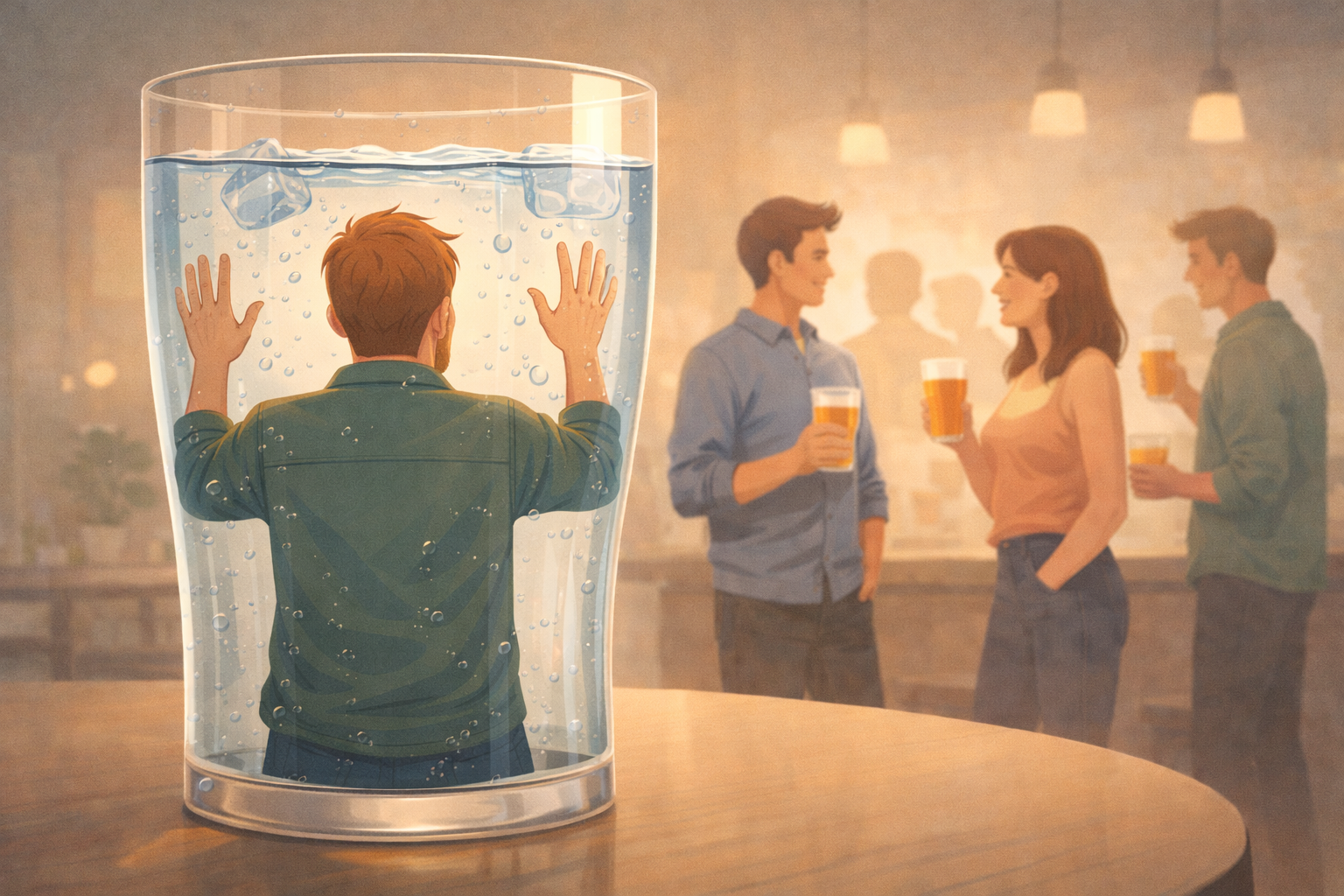
One of the biggest hurdles - for me and a lot of people - is socialising. Alcohol has been part of almost every social activity I’ve had since I was old enough to drink it. Even now, walking past a dive bar or seeing someone with a cold beer outside a späti appeals to something in my brain. That’ll be tough, at least initially.
I’ve already managed a few alcohol-free nights out, which gives me some confidence. But I know tougher moments are coming. My friends who I normally drink with will still expect me to drink with them. I’m bracing myself for:
Epilepsy is a strong reason, but it’s not the only reason. And transitioning from “he never turned down a beer” to “he never accepts one” is going to be… interesting.
That said, from reading, watching, and listening, I’ve collected a few practical tips that I think will genuinely help:
When I was first diagnosed with epilepsy, I flirted with AF beers. Now there are so many more options, and some are honestly great. They will play an important role for me in this experiment as I can still people part of the ritual and occasion.
As people get drunker (and louder), you don’t need to explain yourself to everyone. Tell one person, slip out, and go home happy. Tomorrow, nobody will even remember when you left.
Pool, darts, football, games nights - anything that can help fill the void of beer. The less attention on the drink, the better.
Matching drunk energy when you’re sober isn’t easy. When you’re done, you’re done. No guilt.
Built-in excuse - can’t drink and drive.
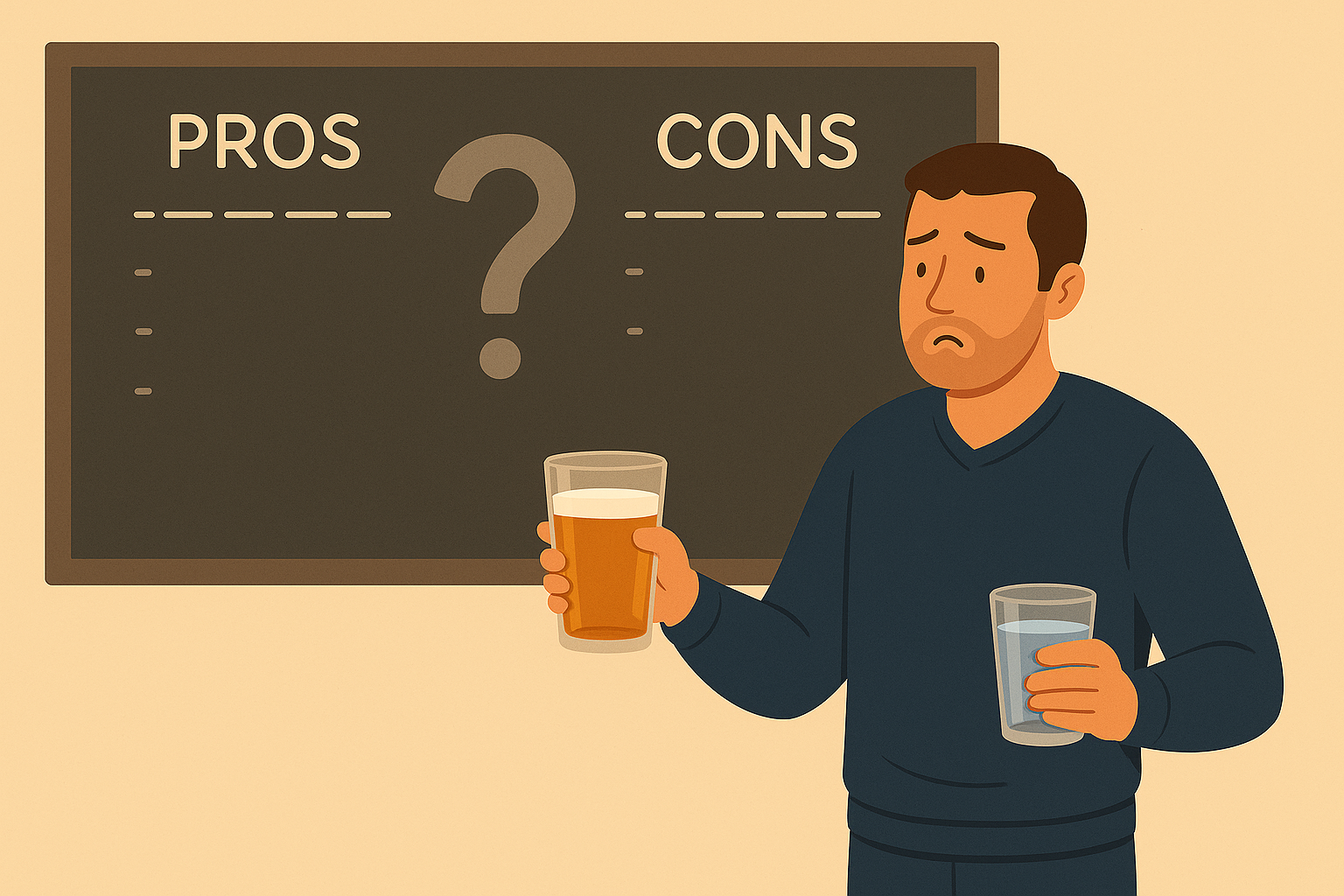
Based on the movie Sliding Doors and picked up from Catherine Gray’s book, “The Unexpected Joy of Being Sober”: imagine your night with alcohol, and imagine it without. The hangover version usually loses the argument. When I find myself battling temptation, I hope to remember this tip!
Cravings will come - they already do. The biggest anchor for me is remembering why I’m doing this. I have a very cheesey note on my phone that serves as my “guiding light” - it lists my reasons for stopping, what I think it gives me and a few choice memories.
My seizure didn’t ruin my sabbatical, but it was a bit of a downer at the end. It scared my wife. It landed me in a hospital in another country. It’s led to surgery, disruptions, long time off work and long-term recovery. I don’t want to voluntarily contribute to the conditions that make that more likely. I just don’t. I feel like that alone can serve as a huge deterrent but, only time will tell.
By June, I’ll call this whole thing a success if:
If most of that is true, I may just keep going. If not, I’ll adjust. Regardless of how this plays out, one thing feels certain: My relationship with alcohol won’t go back to what it was before.
I don’t want this blog to turn into a sobriety journal, or a preachers corner, but writing helps me. At some point, I will address this topic again, and until then, probably some other boring stuff like cycling or software engineering.
Looking back at March 2026.
Looking back at February 2026.
Looking back at January 2026.