March reflection
Looking back at March 2026.

In the previous post, I wrote about the experience of my second seizure and how it nudged me to pause and take a look at my drinking habits. This post is about what I found.
Spoiler: it wasn’t really what I expected.
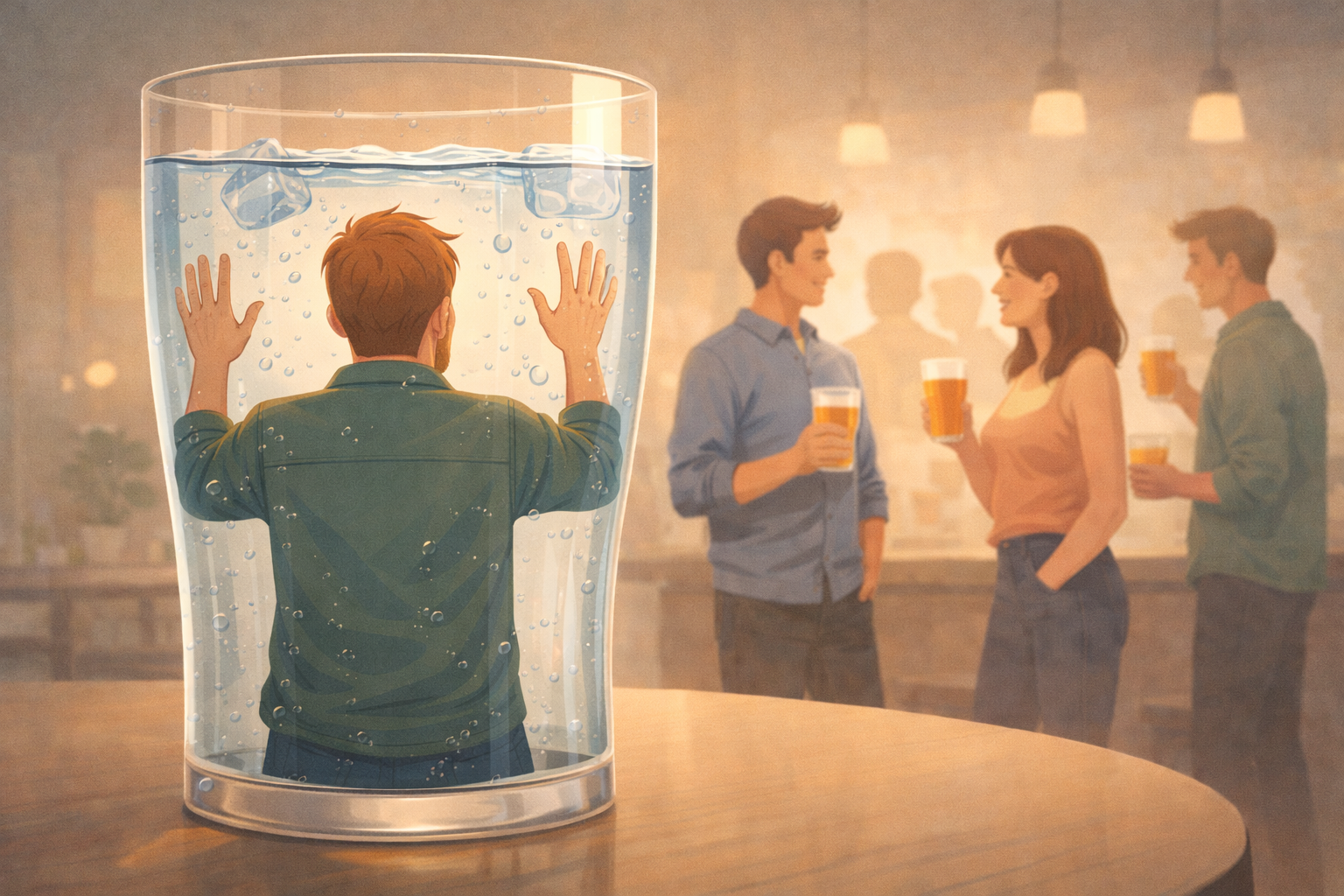
When you grow up in a culture where drinking is normal and expected, you don’t spend much time questioning it. I definitely didn’t. But once I stopped and actually looked, I realised alcohol had been quietly impacting me for years - not dramatically, but… consistently.
Here are the biggest things I noted:
After a night out, I would fall asleep as soon as my head hit the pillow. However, it absolutely wrecked the quality of my sleep. It was always light, broken, and short. I could come home at 3AM, have some toast, pass out at 3:30AM, then wake up at 7AM and start my day. Not ideal for anyone, but especially not ideal for someone with JME.
I didn’t get hangovers often, but most mornings I felt slow and tired. I’d wake up early, eat a bunch of shitty food, and only start functioning properly in the late afternoon.
The day after boozing, everything felt like too much effort. Learning German? Nah. The gym? Maybe tomorrow. Personal projects? Absolutely not - I’d just sit at home and play League of Legends instead.
Not just the following morning - I could lose entire days feeling sorry for myself. Combine that with the time I spent actually out drinking, and it’s a considerable amount.
Berlin beer pricing varies wildly:
It adds up quickly when “just one” becomes “ah go on then, one more”. Throw in the kebabs, the cocktails, the snacks, and it becomes a noticeable money-sink.
I knew alcohol wasn’t good for me - everyone knows that to some extent - but I didn’t realise quite how bad it was until I started reading.
High level:
For me and my epilepsy, it’s less about the alcohol itself and more about the consequences: dehydration, broken sleep, disrupted routine. Definitely enough to make me think.
The dreaded fear. The “what did I say?” The “who did I offend?”
Every morning after a night out, I would recap everything that happened. If there was even a 10-minute gap I couldn’t remember, I instantly assumed I’d said or done something awful. The guilt and anxiety lingered for days, which affected my mood and made me even more miserable to be around.
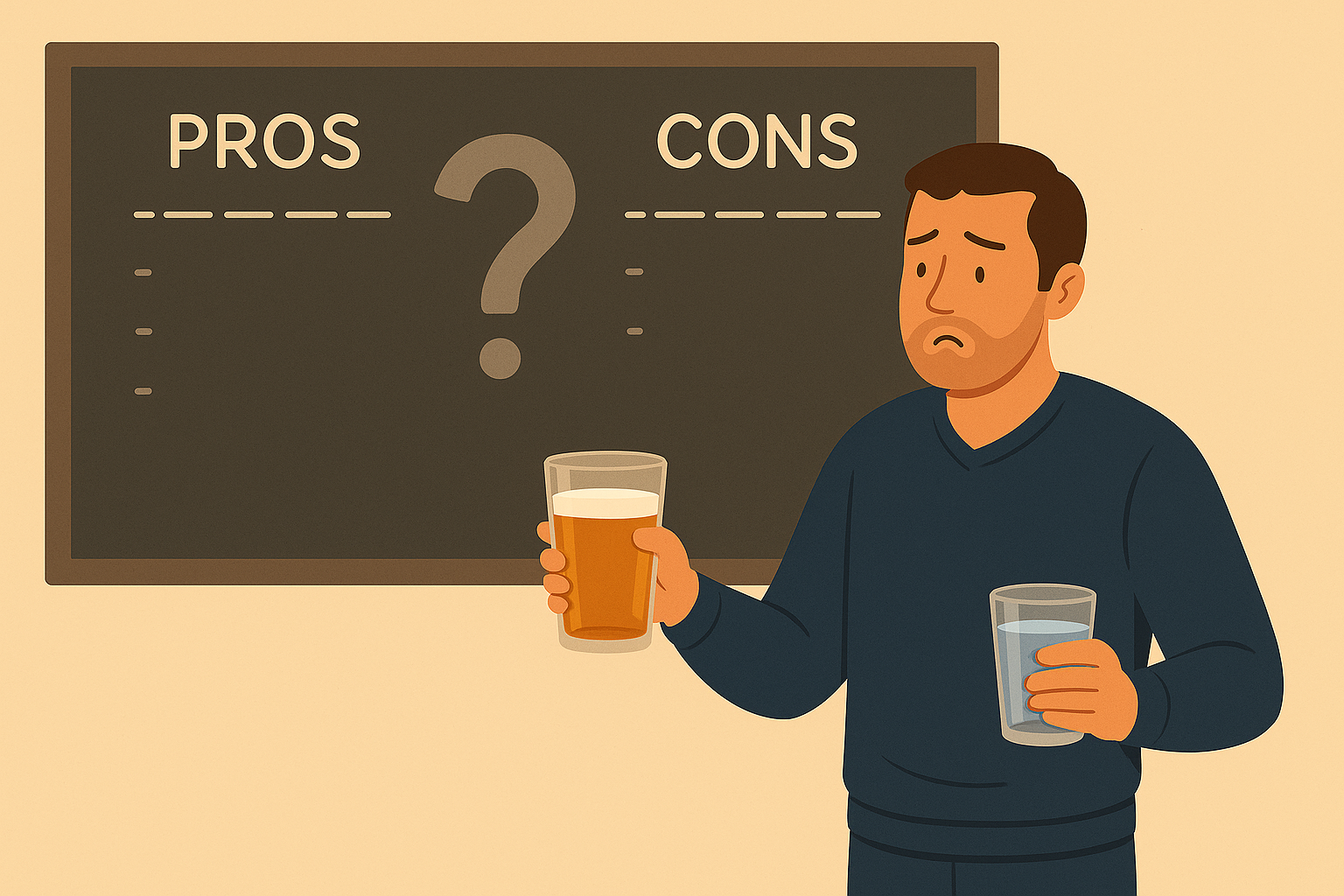
Individually, none of these things seem huge. But stack them together, and suddenly the “benefits” of drinking look a lot smaller.
It hasn’t all been bad - alcohol has given me a lot over the years, and I can’t pretend otherwise. It gave me:
I’ve loved those moments, and I don’t regret them. But now I have to ask: did alcohol actually create those moments? Or was it just there by default?
I honestly don’t know.
The way I feel as I write this is; yes, holidays will be more boring, yes, playing pool will be less fun - I still feel alcohol helps make these moments. However, I’m in a tough spot. As I write this, I’m awaiting shoulder surgery to fix the aftermath of a seizure. What sane person wants to take that risk everytime they go out? I need to respect my health more.
I won’t know the answers until I try to separate the drink from these occasions. In an ideal scenario, I will be writing in 6 months saying I can still enjoy all of the above without alcohol.
Looking back, one thing I do regret is how often I encouraged other people to drink with me or questioned people who didn’t want to. It was never in a malicious way, but in that typical “go on, just have one” culture we all grew up with. I never meant anything by it, but I can see now how unhelpful that mindset is. It’s something I’m preparing to face myself and it’s another small thing I want to unlearn.
This isn’t my first break from alcohol. In the past, it was always a reaction - a post-holiday detox, a remedy for guilt, or the classic “I’m never drinking again” morning-after lie.
Those breaks were never about change, they were about surviving a hangover or a rough couple of days.
This time feels different because:
Nothing terrible happened because of alcohol. I’m simply recognising the role it plays in my life - and the impact it can have - and trying to take control of that.
This brings me to one moment I remember fondly - this year’s office summer party. This was before my sabbatical, before my second seizure, and before I would ever seriously considered sobriety.
It was during one of my “I’m taking a break” phases. I wasn’t trying to prove anything, but I’d just come back from Turkey, and I was avoiding alcohol for a bit.
The summer party arrived, and I was apprehensive about attending without drinking. Even before the event, the beers were flowing. People grabbed beers for the shuttle bus. The party had technically started already, but I was committed to staying alcohol-free. I brought a bottle of BRLO Naked (AF beer), expecting things to be awkward.
And honestly… it was awkward at first, and it might have been more awkward if I didn’t have a sober buddy. Despite that, people kept asking:
But then it all settled. People stopped caring. I relaxed. I chatted, ate food, played games, and whilst it was different, I actually enjoyed myself, despite being on the first bus out of there.
And the next morning? That’s when I really felt good about my choice. I woke up early, went to a boxing class, did some shopping, played pool, and felt fantastic. No guilt. No anxiety. No tiredness. No need to replay the night before - I was sober, and sober, I don’t often worry about my actions - I’m just me.
Meanwhile, stories trickled in from colleagues who’d stayed out - and I felt something unexpected: Smug. Quietly, deeply smug.
That experience helped me understand what I stand to gain from not drinking - not just what I might lose. It planted the first seed of: “Maybe this could actually work for me.”
In the next part of this wee series, I’ll talk about:
Looking back at March 2026.
Looking back at February 2026.
Looking back at January 2026.