Motivation
Tibia is an old MMORPG with a dedicated community but not much in the way of modern developer infrastructure. I wanted a better way to track loot and progress across multiple grinding sessions, so I built the tool I wished already existed.
TibiaLoot.gg is a fan site for Tibia, one of the oldest MMORPGs still going, and my attempt to build something genuinely useful for that community.
The awkward bit with Tibia is that it doesn’t offer much modern infrastructure for developers. No nice APIs, no clean integrations, just a lot of making the best of what you’ve got. That constraint shaped the whole project.
Why it stands out
- It started from my own use case: I wanted to track loot and progress across multiple grinding sessions without manually piecing everything together.
- It takes a rough, copy-pasted dump of in-game text and turns it into a clean, useful interface.
- It is still live and being used, even if I don’t play nearly as much now.
- It shows I can build for awkward technical environments, not just clean modern platforms that do half the work for you.
What it does
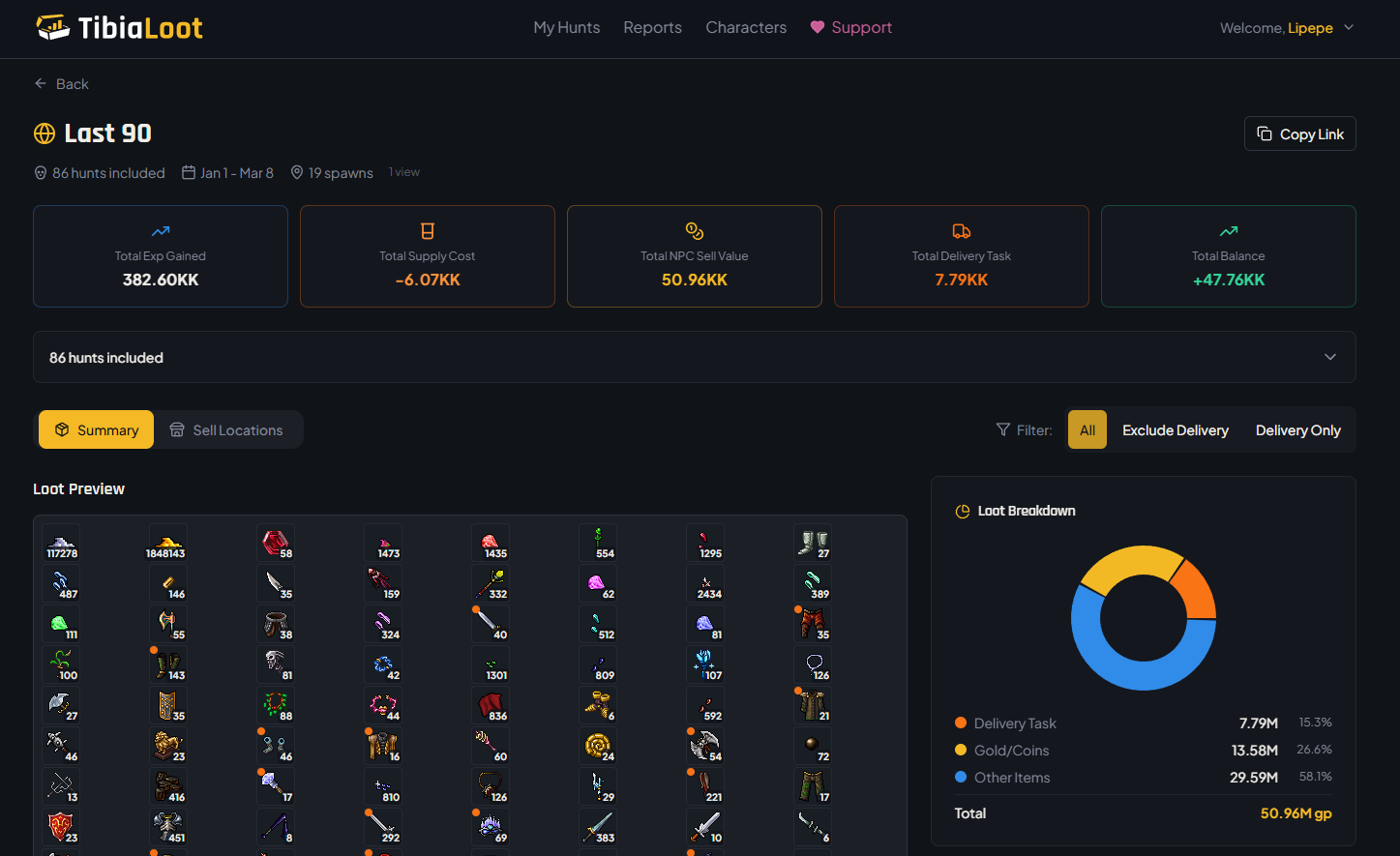
Players can paste a large block of text from the game into the site and get a much clearer breakdown of what happened.
- categorised loot summaries
- aggregated profit and experience over time
- session tracking across many hunts
- shareable reports that are much easier to read than the raw game output
What I built
- a Laravel and MySQL backend for storing and processing hunt data
- a React frontend for reporting, summaries, and sharing
- AWS infrastructure for hosting and running the service
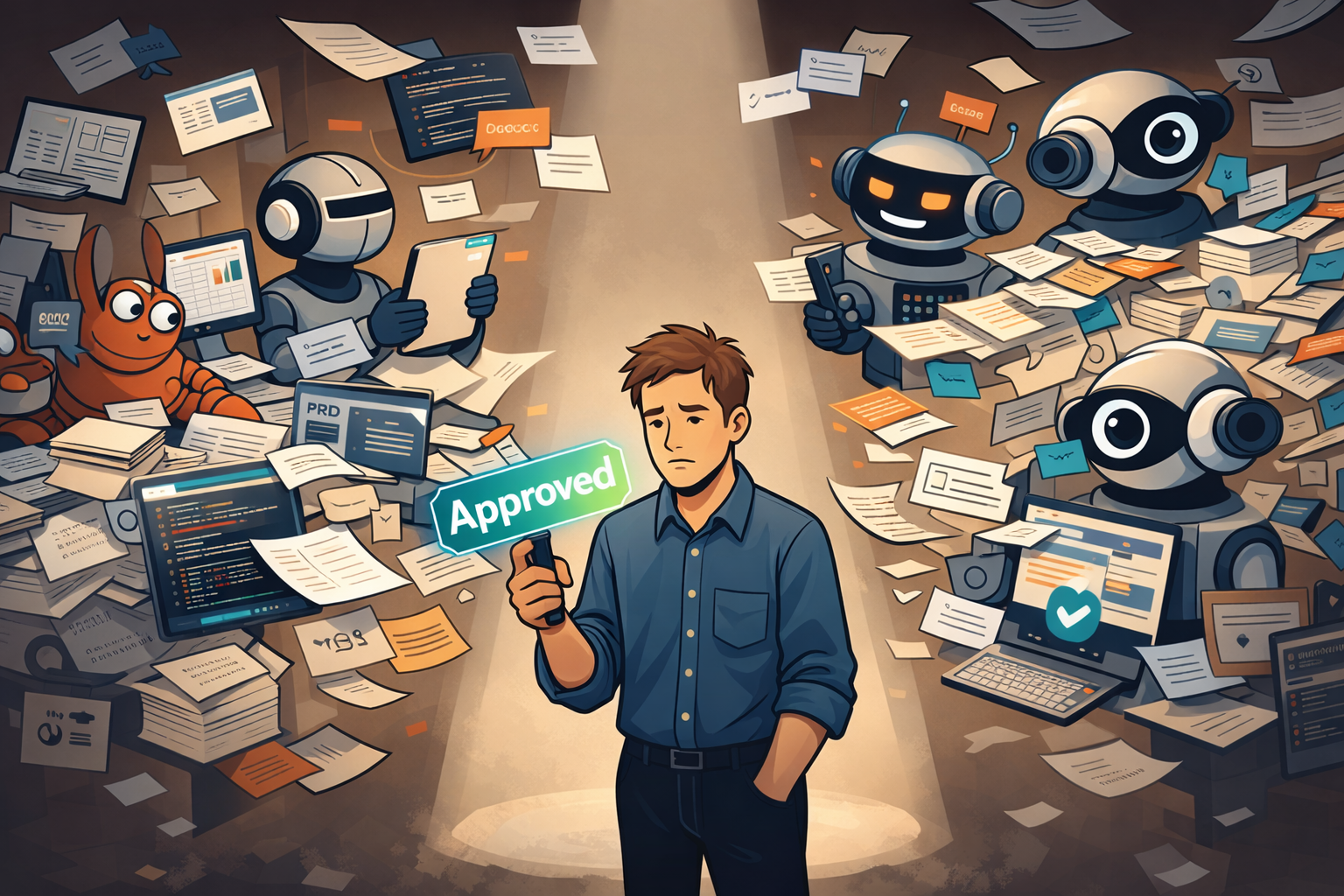
- a workflow that also made use of OpenSpec, Codex, and Lovable during development
Outcome
The site launched in January 2026 and is still active.
For me, the interesting part is less “I made a fan site” and more that I took a scrappy problem in a niche space, designed around the platform’s limitations, and shipped something people could actually use. Which is usually the hard part.
Gallery